Introduction
Glycosylation is an foremost publish-translational amendment that drastically influences protein perform, stability, and interaction with other biomolecules. The elaborate nature of glycosylation profiles provides complexity to the research of glycoproteomics, extraordinarily inside the contexts of drug improvement and bioconjugation. Mass spectrometry (MS) has emerged as a tough instrument for analyzing these glycosylation patterns, presenting researchers with insights that have been prior to now unattainable.
In this newsletter, we delve into the nuances of glycosylation profiling the usage of mass spectrometry, analyzing its implications for bioconjugation and drug improvement. We will discover a lot of sides together with glycan mapping, glycoengineering, monoclonal antibodies, and healing glycoproteins. By the quit of this exploration, one can be aware of why inspecting glycosylation profiles with mass spectrometry is thought about a video game changer in these fields.
Understanding Glycosylation
What is Glycosylation?
Glycosylation refers back to the enzymatic activity through which carbohydrates (glycans) are covalently connected to proteins or lipids. This modification performs a critical role in cellular features adding cellular phone signaling, immune reaction, and protein folding.
Types of Glycosylation
Why is Glycosylation Important?
The presence and construction of glycans can result protein conformation, organic recreation, and even immunogenicity. Understanding those constructions is integral for setting up wonderful therapeutics.
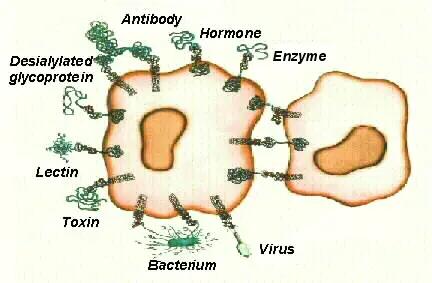
Analyzing Glycosylation Profiles with Mass Spectrometry: A Game Changer in Bioconjugation and Drug Development
Mass spectrometry enables for high-selection evaluation of glycan constructions attached to proteins. This know-how helps researchers to work out no longer simply the presence of glycans however additionally their selected preparations—understanding integral for each awareness sickness mechanisms and designing special treatments.
How Does Mass Spectrometry Work?
Mass spectrometry operates by way of ionizing chemical species and sorting them dependent on their mass-to-price ratio (m/z). In the context of glycoproteomics:
Benefits of Using Mass Spectrometry for Glycan Profiling
- Sensitivity: Capable of detecting low-abundance glycans.
- Specificity: Provides targeted structural recordsdata approximately human being glycoforms.
- Speed: Rapid diagnosis in comparison to traditional equipment.
The Role of Mass Spectrometry in Glycoproteomics
Defining Glycoproteomics
Glycoproteomics combines proteomics—reading proteins—and glycobiology—the learn of carbohydrates—to deliver a entire view of all glycopeptides found in a given sample.
Techniques Used in Glycoproteomic Analysis
Applications in Drug Development
Therapeutic Protein Engineering
Mass spectrometry enables the design of glycoengineered biologics by means of allowing scientists to manipulate glycan platforms deliberately all the way through protein synthesis.
Examples consist of:
- Antibody-drug conjugates
- Enhanced monoclonal antibodies
Glycan-Based Therapeutics
Understanding glycan platforms can end in new healing ways concentrating on specific ailments simply by carbohydrate antigens that elicit immune responses.
Bioconjugation Techniques Enhanced by Mass Spectrometry
What is Bioconjugation?
Bioconjugation refers back to the system in which biomolecules are covalently associated jointly—commonly proteins with medicine or imaging marketers—to toughen healing efficacy or tracking abilties.
Types of Bioconjugates Analyzed due to Mass Spectrometry
Challenges Faced in Analyzing Glycosylation Profiles
Despite its merits, various challenges continue to be while interpreting glycosylation profiles:
FAQ Section
1. What does mass spectrometry identify referring to glycans?
Mass spectrometry identifies equally the presence and architecture of glycans attached to proteins, imparting insights into their useful roles.
2. How does mass spectrometry give a contribution to drug pattern?
It affords crucial data approximately glycan buildings that have an affect on drug efficacy, stability, and immunogenicity—simple elements while developing new therapeutics.
three. What is the magnitude of N-associated vs O-connected glycosylation?
N-connected glycans mainly play roles in protein folding and steadiness even as O-related glycans normally have an effect on cell signaling pathways; figuring out either varieties facilitates elucidate protein functionality correctly.
4. Can mass spectrometry differentiate between comparable glycans?
Yes, improved MS tactics can distinguish among intently comparable glycan platforms depending on their distinct mass-to-rate ratios.
five. Why are glycoengineering concepts central?
They enable researchers to adjust glycan buildings deliberately on therapeutic proteins improving their effectiveness or decreasing part effects.
6. How does lectin affinity chromatography relate to mass spectrometry?
Lectin affinity cell line chromatography isolates targeted glycoproteins situated on sugar-binding properties sooner than they endure mass spectrometric prognosis for specified profiling.
Conclusion
Analyzing glycosylation profiles with mass spectrometry represents a pivotal development in bioconjugation techniques and drug improvement methods via offering exact structural insights into elaborate carbohydrate alterations on proteins. As our expertise deepens as a result of power learn efforts utilizing these improved methodologies, we would possibly unveil novel therapeutic candidates more desirable tailored for one-of-a-kind disease aims—sooner or later getting better affected person consequences by smarter layout selections grounded in forged clinical ideas surrounding glycobiology.
This article deals an extensive examination into how analyzing glycosylation profiles employing mass spectrometry has changed approaches inside of bioconjugate science and pharmaceutical innovation methods alike!
Leave a Reply