Introduction
Glycosylation serves as a imperative submit-translational amendment (PTM) that substantially affects protein serve as, stability, and interactions. With expanding investigation into glycoproteomics, the problematic world of carbohydrates and their interactions with proteins has turned into a space of severe point of interest. Innovations in glycosylation Check out the post right here pathways usually are not simply tutorial; they hang transformative ability for biomanufacturing and therapeutics. By knowledge glycan profiling and engineering glycoproteins, researchers can pave the means closer to superior treatment options.
In this article, we will explore a lot of features of glycosylation pathways and their implications in biomanufacturing and therapeutic pattern. We’ll delve into issues comparable to glycoengineering, carbohydrate-protein interactions, mass spectrometry for glycans, and lots more and plenty more. This complete examination will highlight how these innovations are shaping the long term of healthcare.
Glycosylation: A Fundamental Process
What is Glycosylation?
Glycosylation is a biochemical activity that attaches carbohydrates to proteins or lipids. This amendment is essential for the perfect functioning of many organic molecules and can noticeably have an effect on their stability, localization, and exercise.
Types of Glycosylation
Role of Glycans in Biological Systems
Glycans play crucial roles in diverse biological processes:
- Cell signaling
- Immune reaction modulation
- Cellular adhesion
- Protein folding
Understanding those roles is essential for leveraging glycosylation in healing applications.
The Importance of Glycoproteomics
Understanding Glycoproteomics
Glycoproteomics is the gain knowledge of of glycoproteins—proteins that experience gone through glycosylation. This container combines proteomics with glycobiology to research how adjustments in glycan systems result protein position.
Applications in Drug Development
By profiling glycoproteins, researchers can pick out achievable therapeutic ambitions and biomarkers for diseases. For illustration:
- Cancer diagnostics utilising selected carbohydrate antigens
- Immune treatment plans concentrated on cellular phone-surface glycoproteins
Carbohydrate-Protein Interactions: The Key Players
Mechanisms Behind Carbohydrate-Protein Interactions
Carbohydrate-protein interactions are ruled through non-covalent forces, inclusive of hydrogen bonding, van der Waals forces, and ionic interactions. Understanding those interactions enables us are expecting how proteins will behave whilst modified with the aid of glycans.
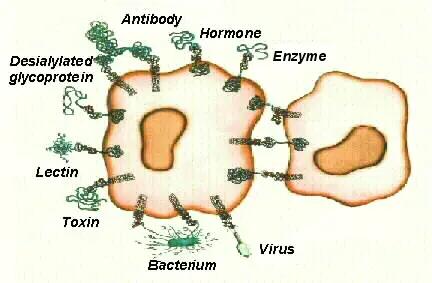
Lectins: Nature’s Carbohydrate-Binding Proteins
Lectins are proteins that bind particularly to carbohydrates with out changing their structure. They play immense roles in:
- Cell-cell recognition
- Immune responses
- Pathogen adherence
Research into lectin-carbohydrate interactions aids our realizing of mobile communique.
Innovations in Glycomics: Mapping the Future
What is Glycomics?
Glycomics refers back to the comprehensive have a look at of glycans inside a biological context. It seeks to map all carbohydrate systems latest on biomolecules.
Techniques for Glycan Mapping
These processes let specific insights into glycan composition and structure-serve as relationships.
The Promise of Glycoengineering
Defining Glycoengineering
Glycoengineering entails modifying the glycan constructions connected to proteins intentionally. This activity enhances healing efficacy by means of enhancing properties similar to 1/2-existence, steadiness, and immunogenicity.
Applications in Monoclonal Antibodies
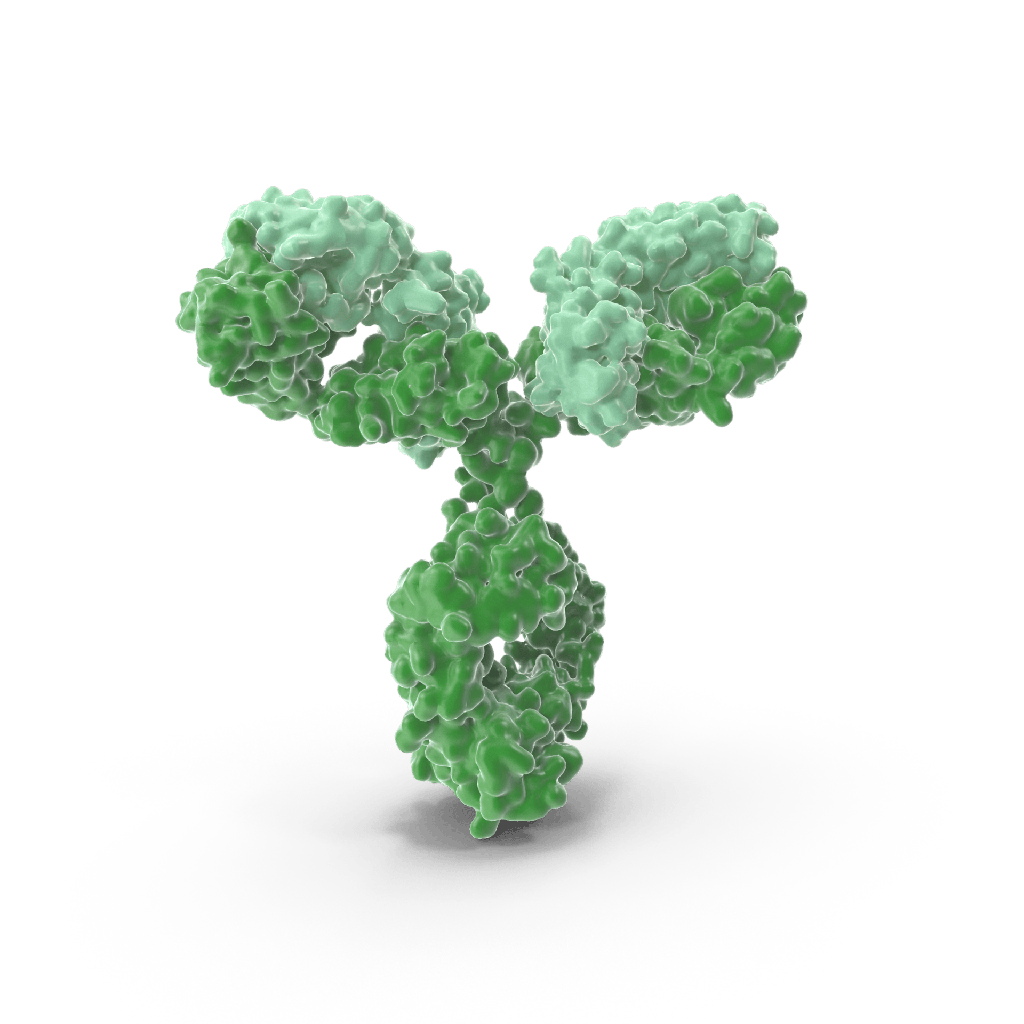
Monoclonal antibodies (mAbs) utilize glycoengineering greatly:
- Tailoring Fc location glycans improves binding affinity to Fc receptors.
- Enhancing antibody-stylish cellular cytotoxicity (ADCC).
This innovation has profound implications for most cancers cure improvement.
Glycan-Based Therapeutics: A New Frontier
What Are Glycan-Based Therapeutics?
These therapeutics leverage designated glycans or converted glycoproteins to elicit desired organic resultseasily by using exact interplay with receptors or cells.
Examples of Current Research Areas
These examples underscore how thoughts on this area can cause groundbreaking treatment options that basically modify affected person consequences.
Profiling Glycans for Precision Medicine
Importance of Glycan Profiling
Understanding extraordinary permutations in glycosylation profiles can result in tailored healing solutions—that is certainly primary in precision drugs wherein affected person-exact elements dictate treatment efficacy.
Techniques for Profiling
Employing these ideas lets in researchers to establish how definite differences have an affect on wellbeing outcome.
Mass Spectrometry for Analyzing Glycans
The Role of Mass Spectrometry in Glycomics
Mass spectrometry promises distinct molecular weight size main for characterizing advanced glycans associated with proteins or lipids.
Advancements in Mass Spectrometric Techniques
These advancements have stronger sensitivity and backbone for examining varied glycoconjugates, allowing deeper insights into their performance.
Bioconjugation Techniques: Enhancing Therapeutic Efficacy
Understanding Bioconjugation
Bioconjugation refers to covalently linking biomolecules together with drug treatments or imaging dealers with carbohydrates or proteins:
This system plays a key position in constructing subsequent-iteration therapeutics that require desirable birth mechanisms.
Glycoform Analysis: Understanding Variability
Why Analyze Different Glycoforms?
Different types (glycoforms) can have exotic physiological outcomes on a given protein’s functionality:
Analyzing these distinctions is severe for optimizing therapeutic performance across dissimilar affected person populations.
FAQs
Q1: What role does mass spectrometry play in interpreting glycans?
Mass spectrometry facilitates researchers to accurately identify the mass-to-rate ratios of oligosaccharides, enabling them to pick out unique structural variations correctly.
Q2: How does glycoengineering raise monoclonal antibodies?
By enhancing the sugar chains hooked up to mAbs, scientists can strengthen their effectiveness against target cells by making improvements to binding affinity or lowering immunogenicity.
Q3: What technology are used for prime-throughput analyses of glycans?
Technologies encompass glycan microarrays and enzyme-related immunosorbent assays (ELISAs), which facilitate titanic-scale screening and quantification efforts conveniently.
Q4: Why is it substantive to realize carbohydrate-protein interactions?
Insights into these interactions guide elucidate important organic methods like mobile signaling or immune responses while guiding healing interventions focused on the ones pathways efficiently.
Q5: What advancements are being made with lectins?
Lectin expertise continues evolving with the aid of new identity suggestions enabling stronger expertise related to cellular phone focus hobbies influencing illness strategies.
Q6: How do personalized medication procedures gain from concepts in glycomics?
Personalized medicine leverages someone-designated facts on patients’ entertaining carbohydrate profiles foremost in the direction of tailor-made remedy protocols ensuring top-rated outcomes.
Conclusion
Innovations in glycosylation pathways represent a paradigm shift inside of biomanufacturing strategies although redefining therapeutic landscapes across a good number of medical fields ranging from oncology as a result of infectious disorder leadership methods all rooted deeply inside of challenging carbohydrate dynamics influencing natural and organic living stipulations globally transferring ahead! As investigation progresses further exploring courting dynamics among distinct variables impacting average good-being consequences – we await terrific developments emerging through the years unlocking new horizons paving methods against holistic solutions reaping benefits humanity utterly!
Through this wide exam spanning diversified elements surrounding creative methodologies utilized across ongoing reviews – it’s transparent that focusing upon bettering figuring out at the back of intricacies worried inside of such platforms translates right away yielding promising advancements expecting discovery the following day!
Leave a Reply